
A Message from Brian
Thank you for taking the time to review the KEM Summer Newsletter. It’s been a busy spring and early summer with the Butler Regional WWTP now online after many years of planning. In Bellville, we are working on additional sidewalks and some exciting development at the interchange, and Sandusky has their west side utility project under construction, which is the project spotlight below. In the City of Ontario, we are handling construction administration for Marshall Park Improvements, the City of Mansfield is in the planning stages for a major water treatment plant upgrade, and the City of Shelby and Village of Fredericktown are planning new streetscapes. Additionally, KEM is assisting the City of Oberlin with their stormwater master planning and Lorain County with their GIS mapping. Great things are happening, and we are grateful to all of our clients for letting KEM be part of the team working to get things done.
Wishing you an active and healthy summer filled with adventure and fun, have a fantastic Fourth of July!
Brian McCartney, P.E., P.S.
President
KEM's Expansion
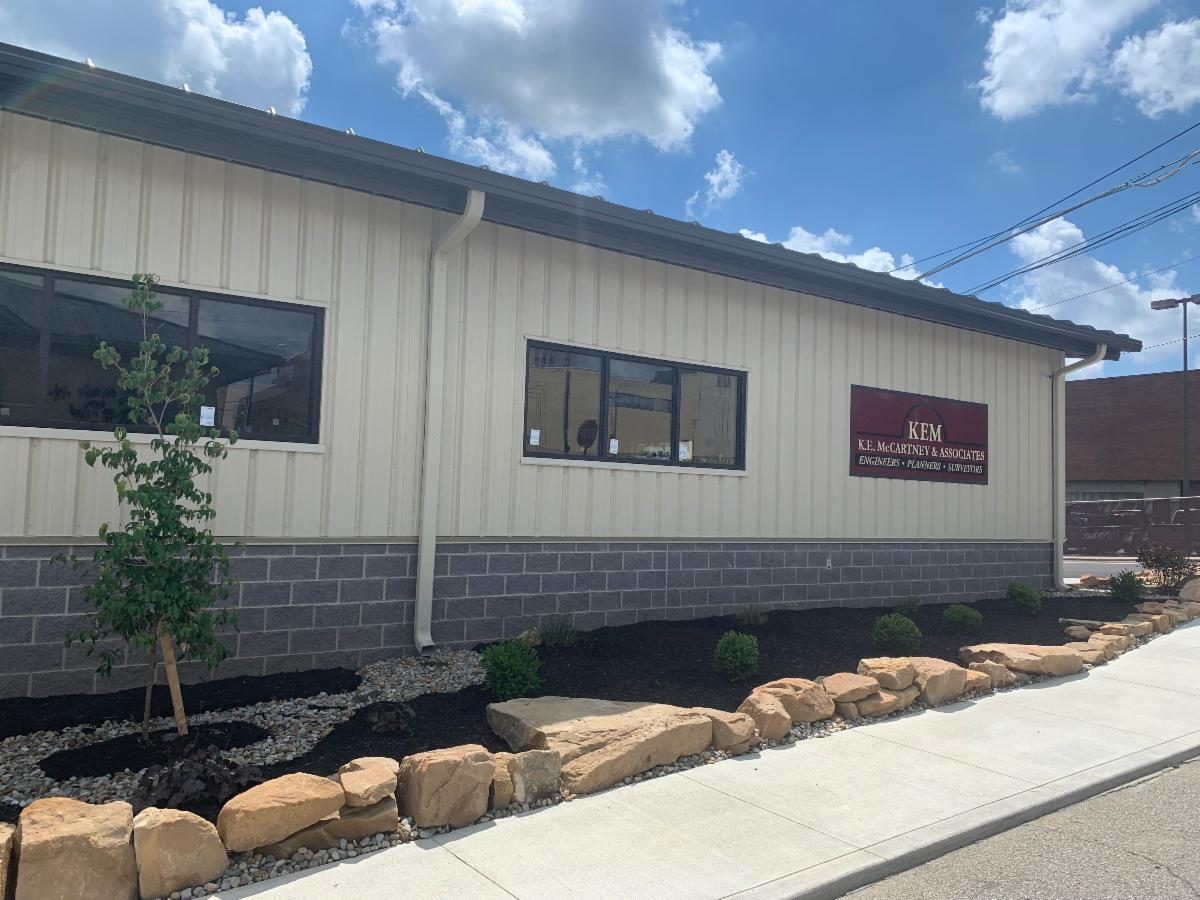
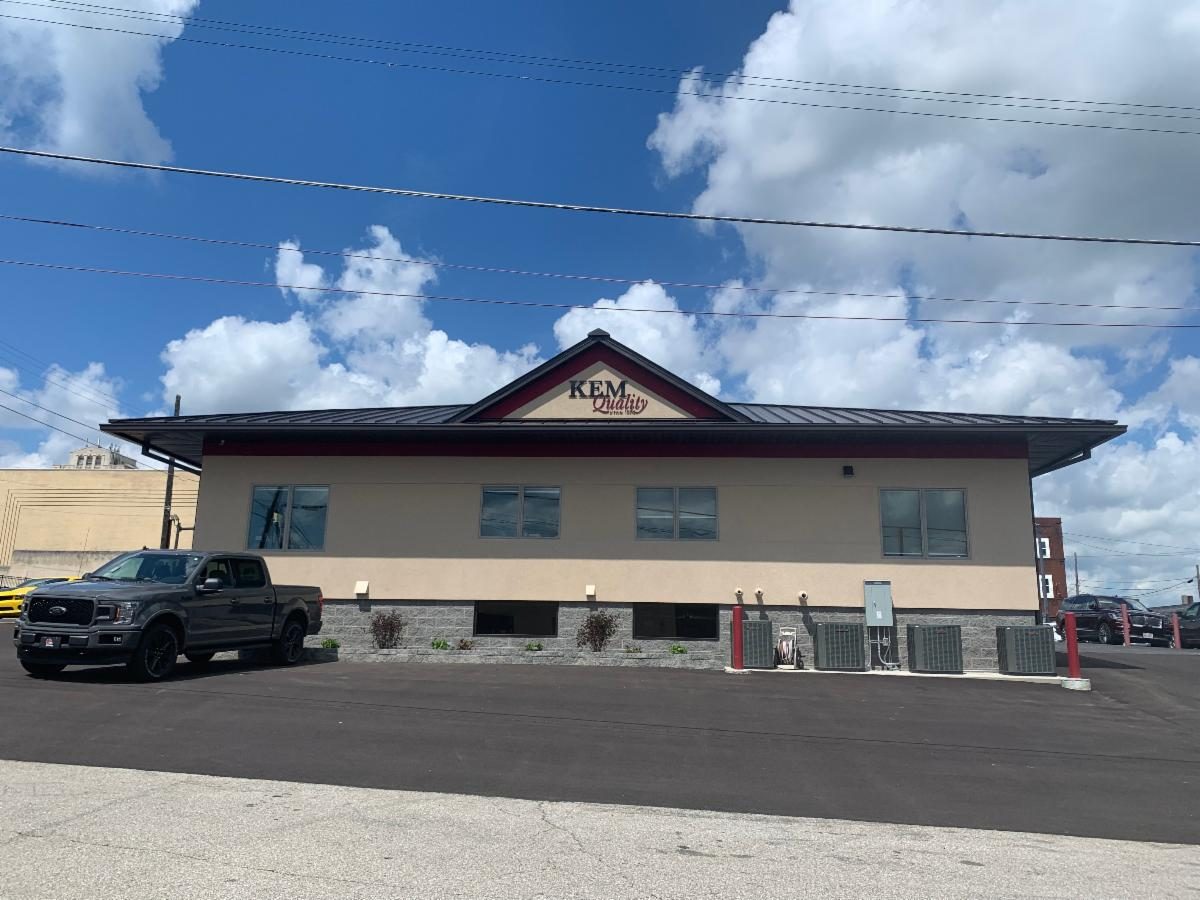
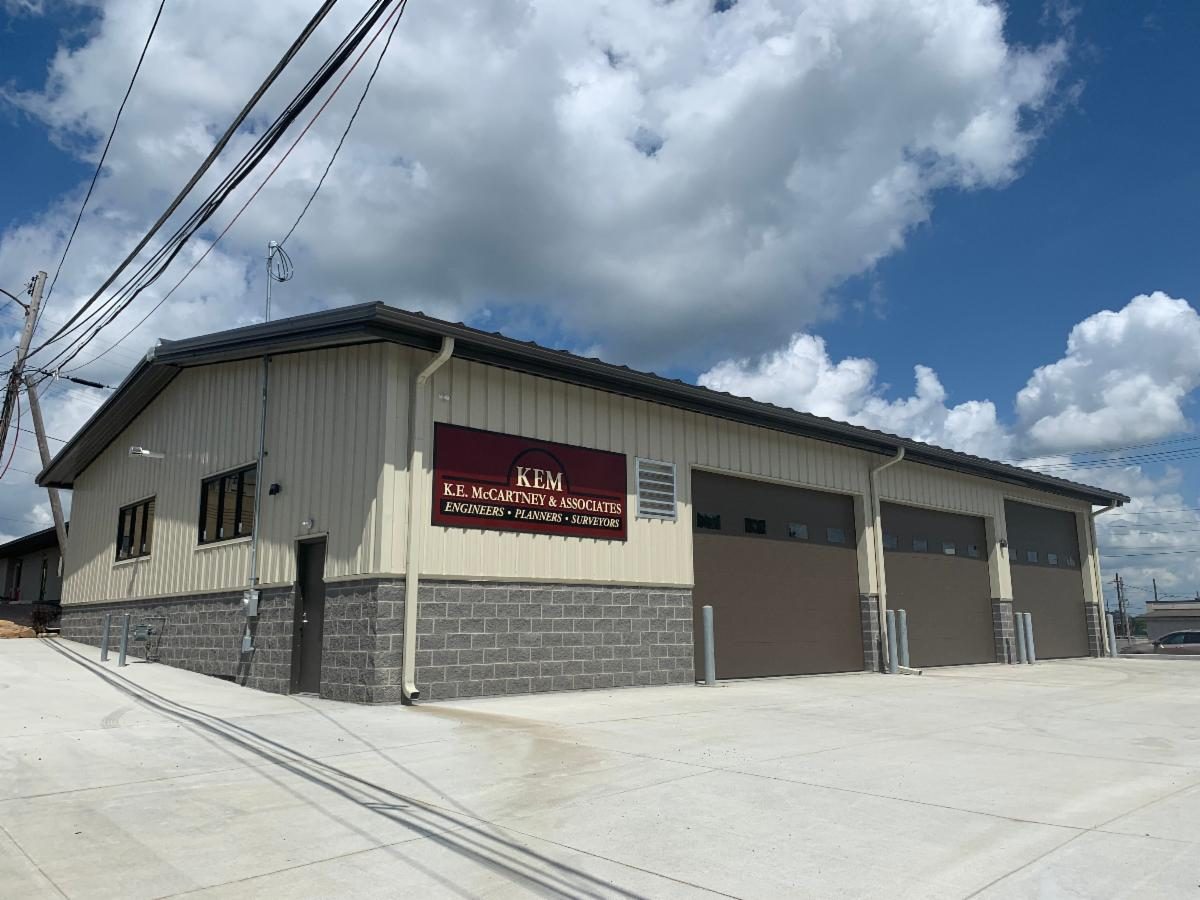
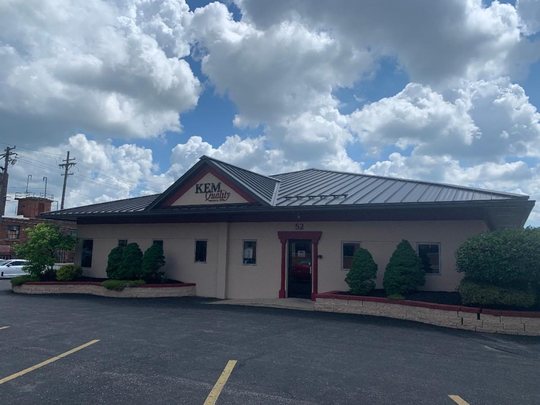 KEM’s office expansion project is complete! The process went very well and the new offices are ready to house our ever-growing staff. The addition includes a fitness room, locker rooms and a central printing facility. Additionally, the new garage is complete and storing vehicles and equipment. It has been exciting to watch the progress take place and see our company grow right before our eyes!
Project Spotlight
West Side Utility and Connectivity Improvement Project
City of Sandusky
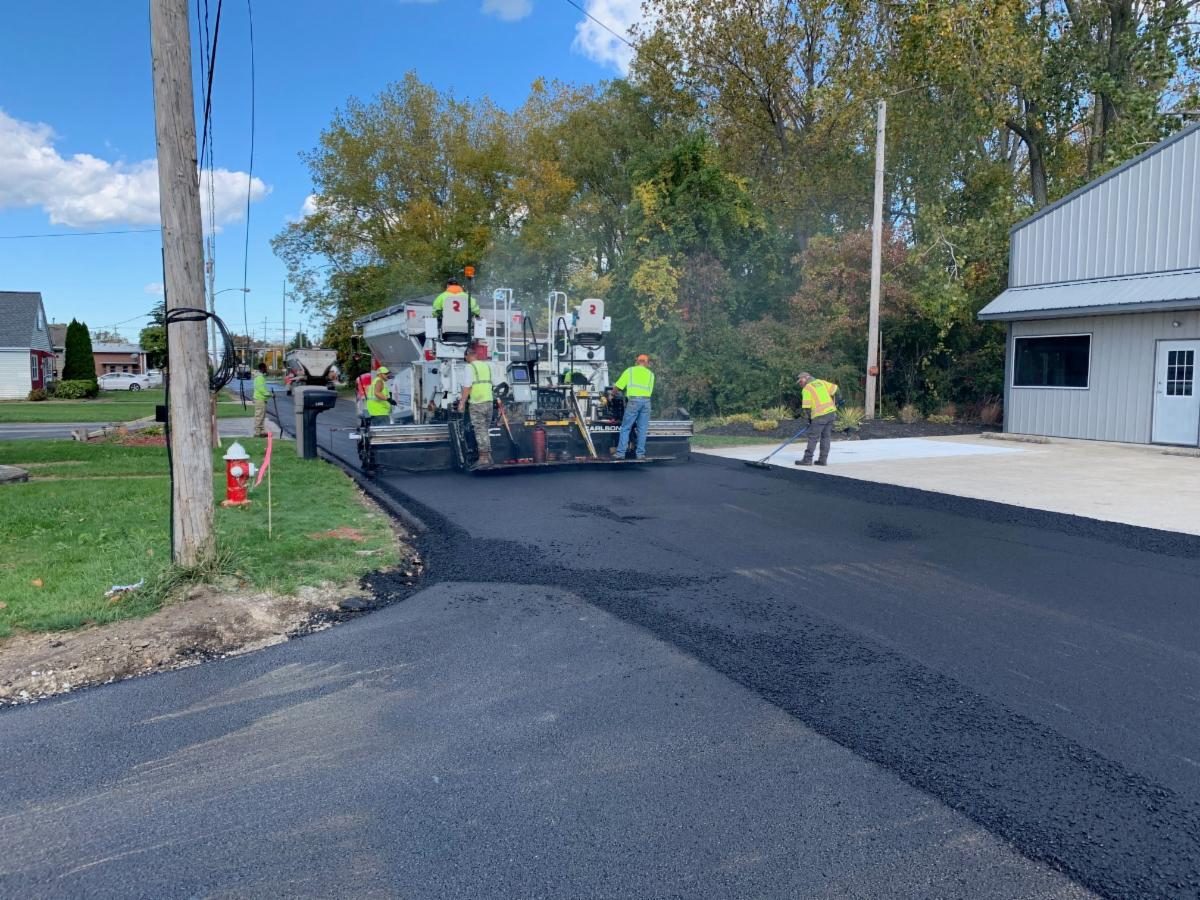
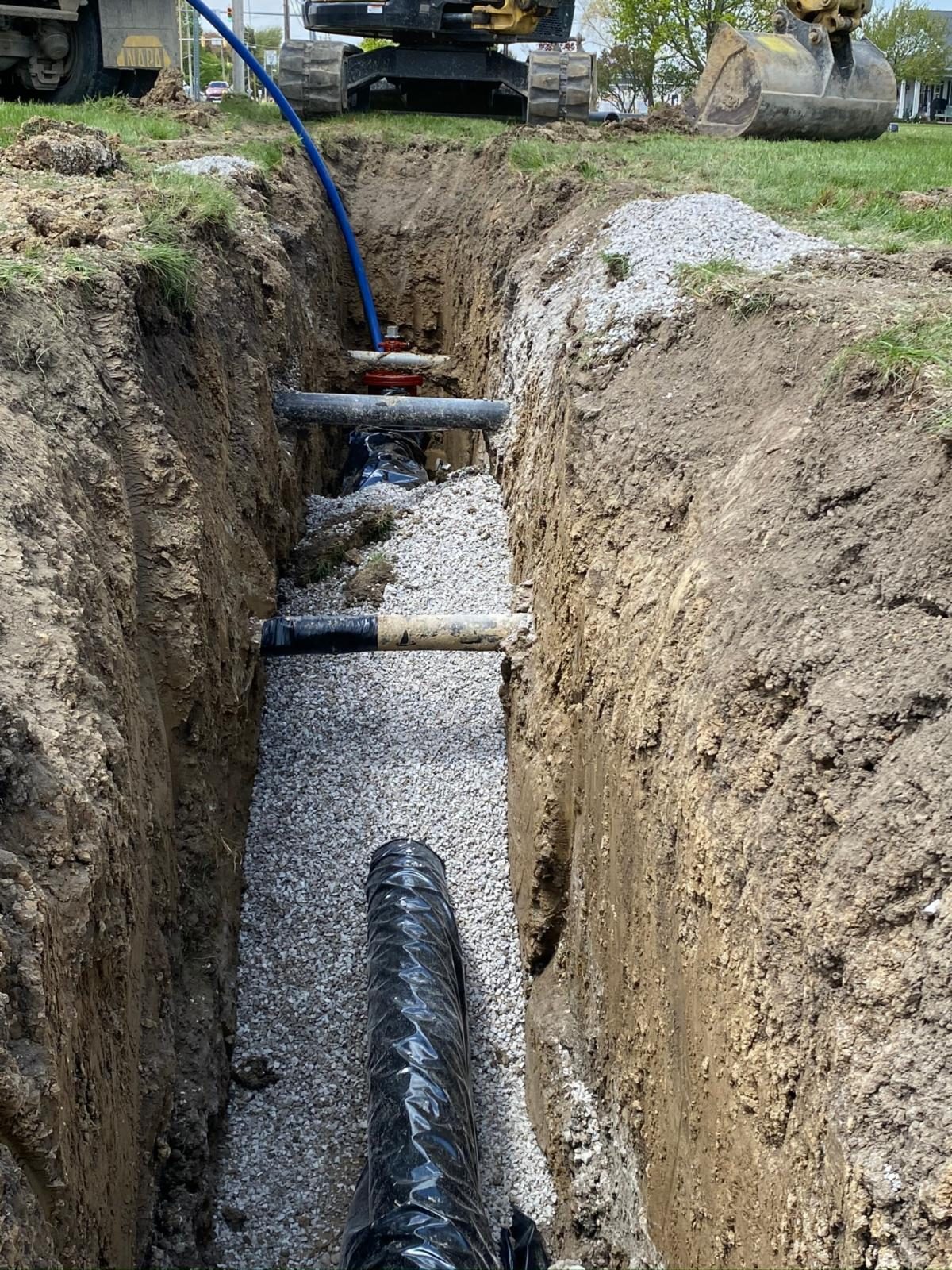
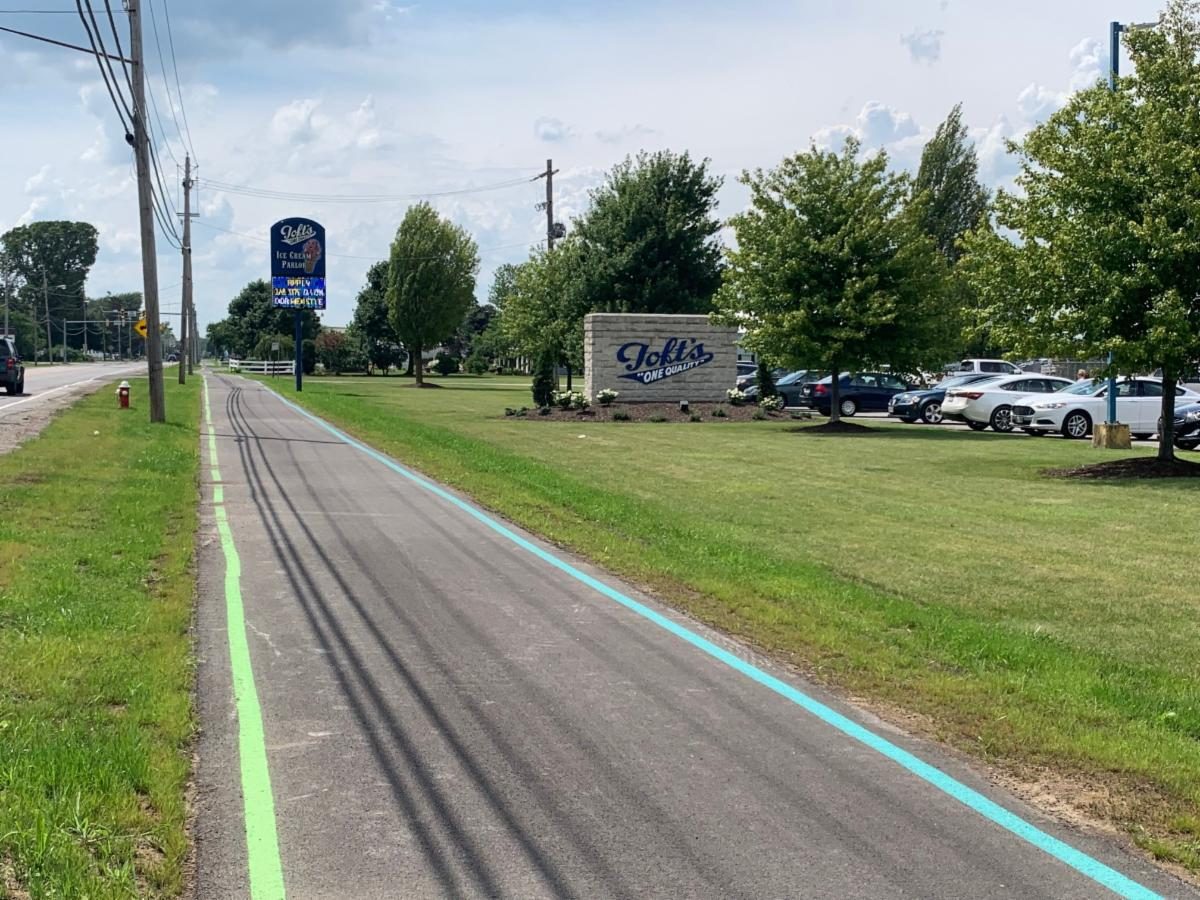
KEM was chosen by the City of Sandusky to manage the construction contract for the West Side Utilities and Connectivity Improvements project. The City’s west side infrastructure was in dire need of an update, from numerous watermain breaks over the past several years because of an aging water system to extensive surface water flooding due to inadequate drainage. In addition, residents from the West Side of Sandusky felt disconnected from the rest of the City. With this project the City of Sandusky was able to address these needs through the installation of 8” and 10” water mains along with new storm sewers and drainage structures to alleviate the flooding, roadways were resurfaced and a new multiuse path and sidewalks were constructed along Venice Road to aid in connecting the West Side of Sandusky to the rest of the City. The construction of the multiuse path and sidewalks was a direct result of the City’s Neighborhood Initiative in 2017 and the City’s 2018 Bicentennial Vision, which included extensive public involvement.
Specific details for the project include the installation of over 8,300’ of 8” and 10” water main, 17 new fire hydrants and 85 new water services including the meter pits. The new storm sewer system included the installation of over 11,000’ of storm sewer pipe and 89 new drainage structures. The new multiuse path was constructed along the North side of Venice Road and is 5,250’ long and 10’ wide. The path starts at Cold Creek Trout Camp and continues to Edgewater Drive. There was 6,000 square feet of new concrete walk constructed along the south side of Venice Road from Mill Pond Drive to Cold Creek Boulevard.
The resurfacing of the project included an area along the West Side of Sandusky that has not seen any attention in well over a decade. This area included Edgewater Avenue south of Venice Road, Sagamore Street, Linden Street, Elwood Court and Wuertz Street. Venice Road is scheduled to be resurfaced with ODOT’s Urban Paving Program.
Did You Know?
Fungi can help concrete heal its own cracks
By Congrui Jin
Infrastructure supports and facilitates our daily lives – think of the roads we drive on, the bridges and tunnels that help transport people and freight, the office buildings where we work and the dams that provide the water we drink. But it’s no secret that American infrastructure is aging and in desperate need of rehabilitation.
Concrete structures, in particular, suffer from serious deterioration. Cracks are very common due to various chemical and physical phenomena that occur during everyday use. Concrete shrinks as it dries, which can cause cracks. It can crack when there’s movement underneath or thanks to freeze/thaw cycles over the course of the seasons. Simply putting too much weight on it can cause fractures. Even worse, the steel bars embedded in concrete as reinforcement can corrode over time.
Very tiny cracks can be quite harmful because they provide an easy route in for liquids and gasses – and the harmful substances they might contain. For instance, micro-cracks can allow water and oxygen to infiltrate and then corrode the steel, leading to structural failure. Even a slender breach just the width of a hair can allow enough water in to undermine the concrete’s integrity.
But continuous maintenance and repair work is difficult because it usually requires an enormous amount of labor and investment.
So since 2013, I’ve been trying to figure out how these harmful cracks could heal themselves without human intervention. The idea was originally inspired by the amazing ability of the human body to heal itself of cuts, bruises and broken bones. A person takes in nutrients which the body uses to produce new substitutes to heal damaged tissues. In the same way, can we provide necessary products to concrete to fill in cracks when damage happens?
My Binghamton University colleagues Guangwen Zhou and David Davies, Ning Zhang from Rutgers University and I have found an unusual candidate to help concrete heal itself: a fungus called Trichoderma reesei.
We initially screened about 20 different species of fungi in order to find one that could withstand the harsh conditions in concrete. Some we isolated from the roots of plants that grew in nutrient-poor soils, including from the New Jersey Pine Barrens and the Canadian Rocky Mountains in Alberta.
We found that as calcium hydroxide from concrete dissolved in water, the pH of our fungal growth medium increased from a close-to-neutral original value of 6.5 all the way to a very alkaline 13.0. Of all the fungi we tested, only T. reesei could survive this environment. Despite the drastic pH increase, its spores germinated into threadlike hyphal mycelium and grew equally well with or without concrete.
We propose including fungal spores, together with nutrients, during the initial mixing process when building a new concrete structure. When the inevitable cracking occurs and water finds its way in, the dormant fungal spores will germinate.
As they grow, they’ll work as a catalyst within the calcium-rich conditions of the concrete to promote precipitation of calcium carbonate crystals. These mineral deposits can fill in the cracks. When the cracks are completely caulked and no more water can enter, the fungi will again form spores. If cracks form again and environmental conditions become favorable, the spores could wake up and repeat the process.
T. reesei is eco-friendly and nonpathogenic, posing no known risk to human health. Despite its widespread presence in tropical soils, there are no reports of adverse effects in aquatic or terrestrial plants or animals. In fact, T. reesei has a long history of safe use in industrial-scale production of carbohydrase enzymes, such as cellulase, which plays an important role in fermentation processes during winemaking. Of course, researchers will need to conduct a thorough assessment to investigate any possible immediate and long-term effects on the environment and human health prior to its use as a healing agent in concrete infrastructure.
We still don’t fully understand this very young but promising biological repair technique. Concrete is a harsh environment for the fungus: very high pH values, relatively small pore sizes, severe moisture deficit, high temperatures in summer and low temperatures in winter, limited nutrient availability and possible exposure to ultraviolet rays from sunlight. All of these factors dramatically influence the fungi’s metabolic activities and make them vulnerable to death.
Our research is still in the initial stage and there’s a long way to go to make self-healing concrete practical and cost-effective. But the scope of American infrastructure’s challenges makes exploring creative solutions like this one worthwhile.
theconversation.com/fungi-can-help-concrete-heal-its-own-cracks-90375 (opens in a new tab)
Employee Spotlight
Brian McCartney
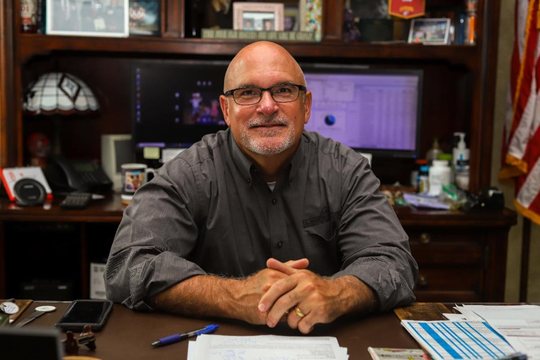 This summer newsletter spotlight goes to Brian McCartney! Brian is the president/owner of KEM. He started working for the business in 1984 and took over in 1994 with the passing of his father and company founder, Kenneth E. McCartney. When asked why he decided to take over the business Brian responded, “I felt a strong sense of responsibility to my dad and the employees working for us at the time to do my best to keep the business running. So with my brother Ken and a tremendous staff including my sister Val, we made a go of it and haven’t looked back.”
His favorite thing about KEM is the people, he loves the team and the extended family including spouses, kids, and even pets. He said, “We have a loose family-oriented atmosphere with great people that make it fun to come to work every day. And our clients have become close friends over the years, we’ve spent so much time with them that they are more like team members than customers. It’s awesome when we work as one unit finding solutions to infrastructure problems, very gratifying when done right.”
Brian was asked if there was anything he’d like to see change about KEM, to which he responded, “The only change that I wanted to see was more room for our field and office personnel, and we’ve accomplished that with our recent addition and new garage. I’m really excited about the future for KEM and want to continually strive to get better and more efficient.”
Brian has hired several employees over the years and when asked what he looks for when hiring, he said that personality and how he believes they will fit with the team is his primary concern, followed by technical capability. “I certainly don’t undervalue the technical aspect but our staff needs to be able to clearly communicate with clients and each other, and if a person’s disposition will hinder that in any way they won’t be a good fit with our team.”
Brian was then asked how he helps to motivate his employees’ productivity, to which he responded, “When you’re dealing with professionals who are gifted and conscientious about their work there is very little motivation required. The women and men working at KEM want to do the best job possible, and we want to spend a lot of time communicating with each other to make sure things stay on track.”
Over the years, Brian has worked on numerous projects and he says that his favorite one to date is the Butler Regional Wastewater Treatment Plant. “I worked on this project for 12 years before it became a reality. I spent a lot of time in the early years trying to show the Villages of Butler and Bellville that a regional approach was best not only from an environmental perspective but financially as well. And to have it all come together with the financial support of the Ohio EPA, OPWC, and CDBG it is just a really gratifying project that I feel will truly make a difference for the residents of both communities.”
Brian sure has a lot to be proud of about KEM, but when asked what he is most proud of, he said, “I am most proud of our staff, they continue to perform at a level not paralleled by many firms in Ohio. It’s because of them that KEM continues to grow and diversify each year.”
Outside of work, Brian loves to golf (though it usually costs him money), enjoys a sip of good Irish whiskey or bourbon on the occasion, he tries not to sweat the small stuff, and he believes that family is everything. Brian is a hardworking and dedicated owner of KEM with the kindest heart and it is truly an honor for the employees of KEM to work under him. KEM would not be the same without Brian McCartney.
New Employees
Ryan Simon
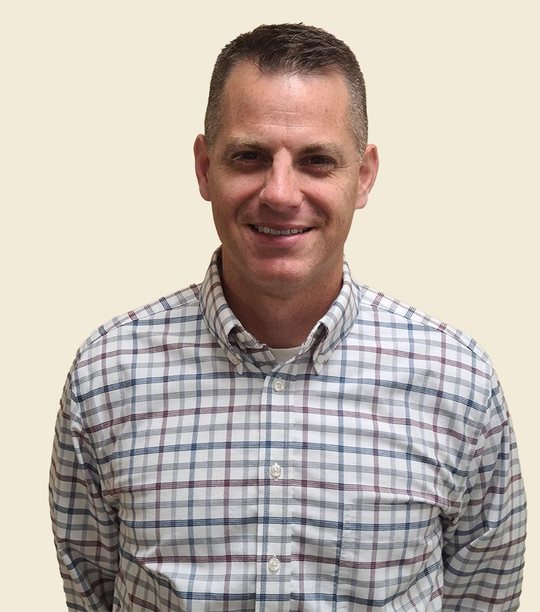 Ryan Simon recently joined KEM as a Construction Project Manager in the Elyria office. He brings with him over 18 years of civil engineering experience ranging from construction to design. After starting out in structural and general civil design, Ryan transitioned to construction where he worked for a contractor for over half of his career. He also has experience working for a local municipality. His construction experience includes transportation infrastructure, marine, drilling and piling. Ryan is a registered engineer in Ohio and a Certified Professional in Erosion and Sediment Control.
When Ryan isn’t working, he can be found spending time with his family. He enjoys sports, being active, and trying to keep up with his 3 boys.
Ryan is excited to bring his experience to the KEM team.
Garrett Viars
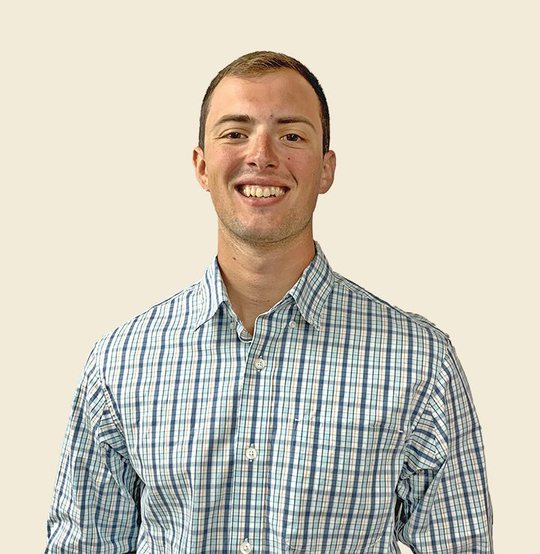 Garrett Viars recently joined the KEM team as a field inspector. Garrett is a graduate of The Ohio State University where he earned a bachelor’s in Construction Systems Management.
Garrett brings 4 years of construction experience to the table including survey and in field inspection work. Garrett also brings construction experience he gained while deployed in Kuwait and Afghanistan.
While not in the office or on a project Garrett enjoys spending time on the golf course or lake with friends and family.
Buster McCartney
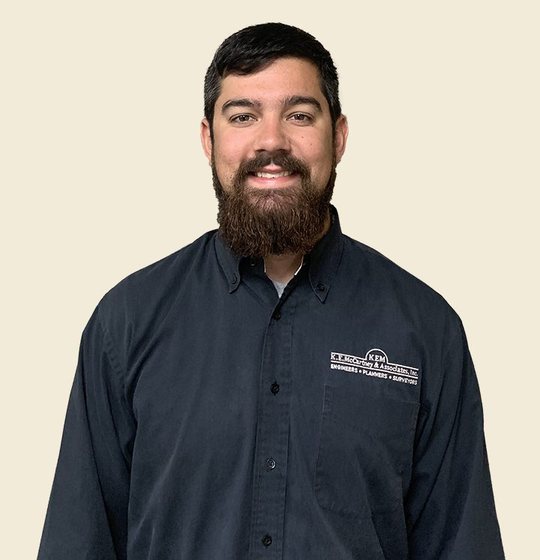 Buster McCartney recently joined the KEM team full time as a Project Engineer. Buster is a graduate of The Ohio State University where he earned his Bachelor’s degree in Civil Engineering, along with Surveying & Mapping Technologies. Buster is currently working on becoming a licensed professional engineer and surveyor.
Buster interned with KEM throughout high school/college during which time he gained experience in many different disciplines from office duties to field surveying with LiDAR and robotic equipment. Buster has also worked on several GIS mapping projects, and inspected a broad range of improvements from treatment plants, to guard rail and pavement projects. Buster is currently working as a Project Engineer with the Transportation Services Department.
When not working, Buster can be found hanging out by the lake, golfing, or snowboarding. He also enjoys hiking/camping, and cooking for his friends and family.